
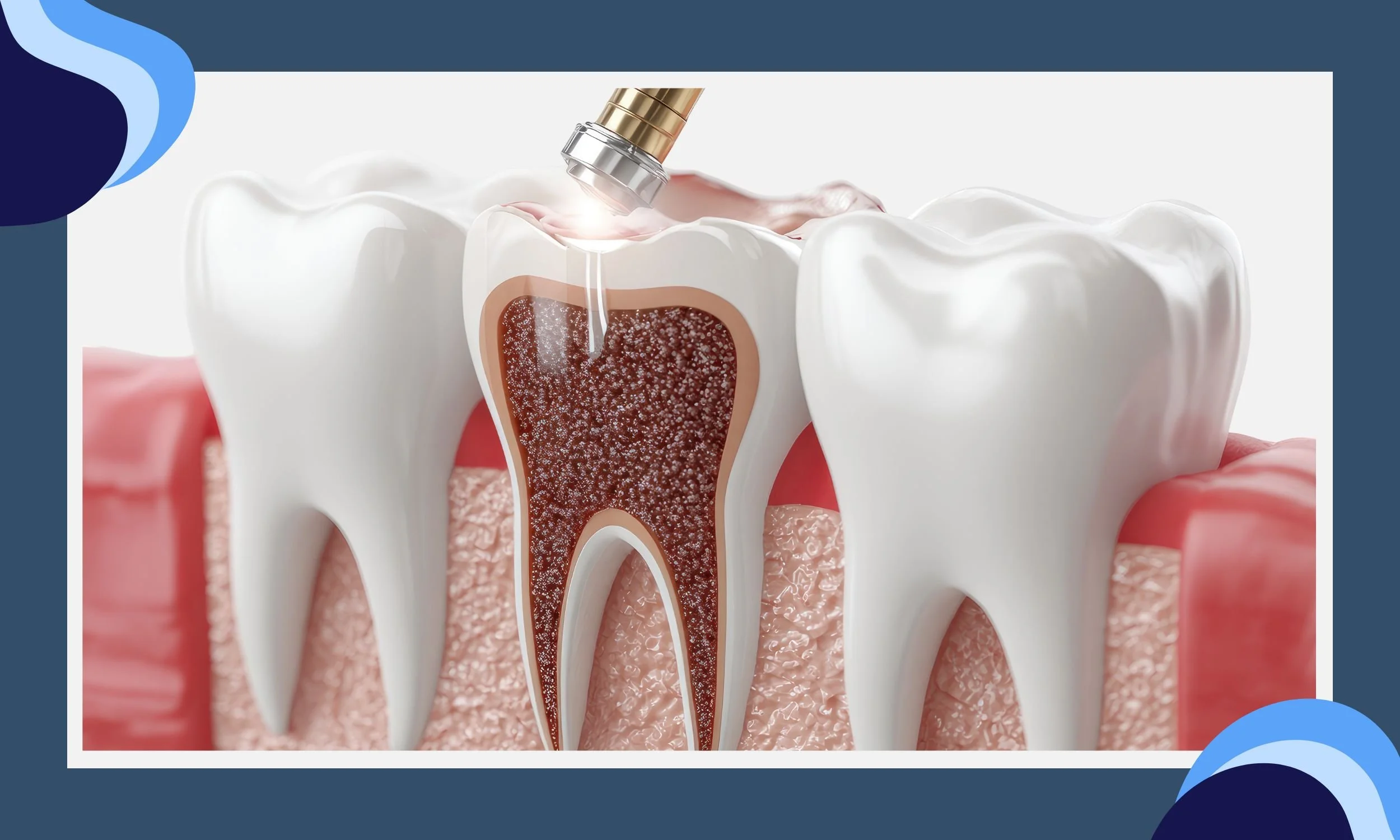
Cavities are the most common chronic childhood disease in the United States. Most parents understand that brushing is important, and many children brush twice a day. Even so, cavities can still develop, and they often show up in the same place: the back teeth.
Molars handle most of the heavy chewing. Their deep grooves and position at the back of the mouth make them harder to reach with a toothbrush.
The area can feel awkward to navigate, especially for young children who are still developing coordination. Even with consistent brushing, those chewing surfaces can be difficult to clean thoroughly.
Dental sealants are designed to address this specific challenge. They are one of the most effective preventive treatments available in a pediatric dental office. The process is simple and comfortable, and it focuses on protecting the teeth that are most likely to develop decay. In this post, we will explain what sealants are and how they help protect your child’s teeth.
What Dental Sealants Are and Why They’re Used
A dental sealant is a thin protective coating that is applied directly to the chewing surfaces of the back teeth. It starts as a liquid and is carefully painted onto the tooth, then hardened so it bonds securely to the enamel.
Once in place, it forms a protective barrier over the grooves and pits where tooth decay most often begins.
Sealants can be placed on both baby teeth and permanent teeth. Applying them early provides added protection during the stage of childhood when the risk for cavities is typically higher.
Sealants are entirely preventive, with the purpose of stopping cavities before they have a chance to develop.
How Dental Sealants Protect Your Child’s Teeth
Molars naturally have uneven chewing surfaces with ridges and deep grooves. These features help break down food effectively, but the narrow grooves can be difficult for toothbrush bristles to fully reach. As a result, bacteria and plaque can settle into those areas and remain in contact with the enamel. Over time, this buildup may lead to cavities.
Sealants help address this by filling in the pits and fissures on the tooth’s surface. After the coating bonds to the enamel, it creates a smoother surface that is easier to clean with regular brushing. Without deep crevices for plaque to collect in, brushing becomes more effective at removing harmful buildup.
By limiting bacteria and food particles from staying trapped against the enamel, sealants significantly lower the risk of cavities in molars, which are among the most cavity-prone teeth in a child’s mouth.
Research shows that children ages 6 to 11 who do not have sealants are three times more likely to develop cavities in their molars than children who have them.
Benefits of Getting Dental Sealants for Your Child
A Gentle, Non-Invasive Procedure
Getting dental sealants is a quick and non-invasive process. The procedure is completely painless, with no drilling or numbing involved. We begin by cleaning the tooth and applying a conditioning gel to prepare the surface. After rinsing and drying the tooth, the sealant is carefully painted on. It hardens within seconds, sometimes with the help of a small curing light.
Completed in One Visit
Everything is finished in a single appointment. Your child leaves the office the same day with their molars protected.
Durable Protection Over Time
Sealants are designed to provide protection for several years. While they are not permanent, they are durable and continue to shield the teeth during the cavity-prone stages of childhood. At each routine cleaning, we check the sealants to confirm they remain intact and effective.
A Cost-Effective Preventive Option
Sealants are one of the more affordable preventive treatments in dentistry. The cost of placing a sealant is significantly lower than the cost of treating a cavity with a filling.
Fewer Cavities, Fewer Appointments
Reducing the risk of cavities often means fewer fillings in the future. This can result in fewer dental visits and a more comfortable overall experience for your child as they grow.
Read also: The Benefits of Taking Your Child to a Pediatric Dentist
How Long Dental Sealants Last and When to Reapply Them
Sealants can protect teeth for several years. They do not require special care, but they should be monitored at regular checkups. During routine cleanings, we examine the sealants to see how they are holding up. If one shows signs of wear or becomes chipped, it can be easily reapplied to continue protecting the tooth.
Read also: The Connection Between Oral Health and Overall Health in Children
Protecting Your Child’s Teeth Starts with Prevention
The best cavity is the one that never develops. While fillings are effective when treatment is needed, preventing decay altogether is always preferable for your child’s comfort and your peace of mind. Dental sealants remain one of the most reliable preventive options available.
If your child is around the age when their molars are erupting, it may be a good time to ask about sealants at their next visit. If you are unsure about your child’s stage of dental development, we can evaluate their growth and provide guidance.
At Pelican Pediatric Dentistry, we care for families throughout Lafayette, New Iberia, Breaux Bridge, Carencro, Scott, Crowley, and the greater Acadiana area.
If you have questions about sealants or would like to schedule an appointment, please contact our Lafayette or New Iberia office. Our team is here to help you address cavity prevention early and proactively.
Call to schedule an appointment with our pediatric dental team today.