
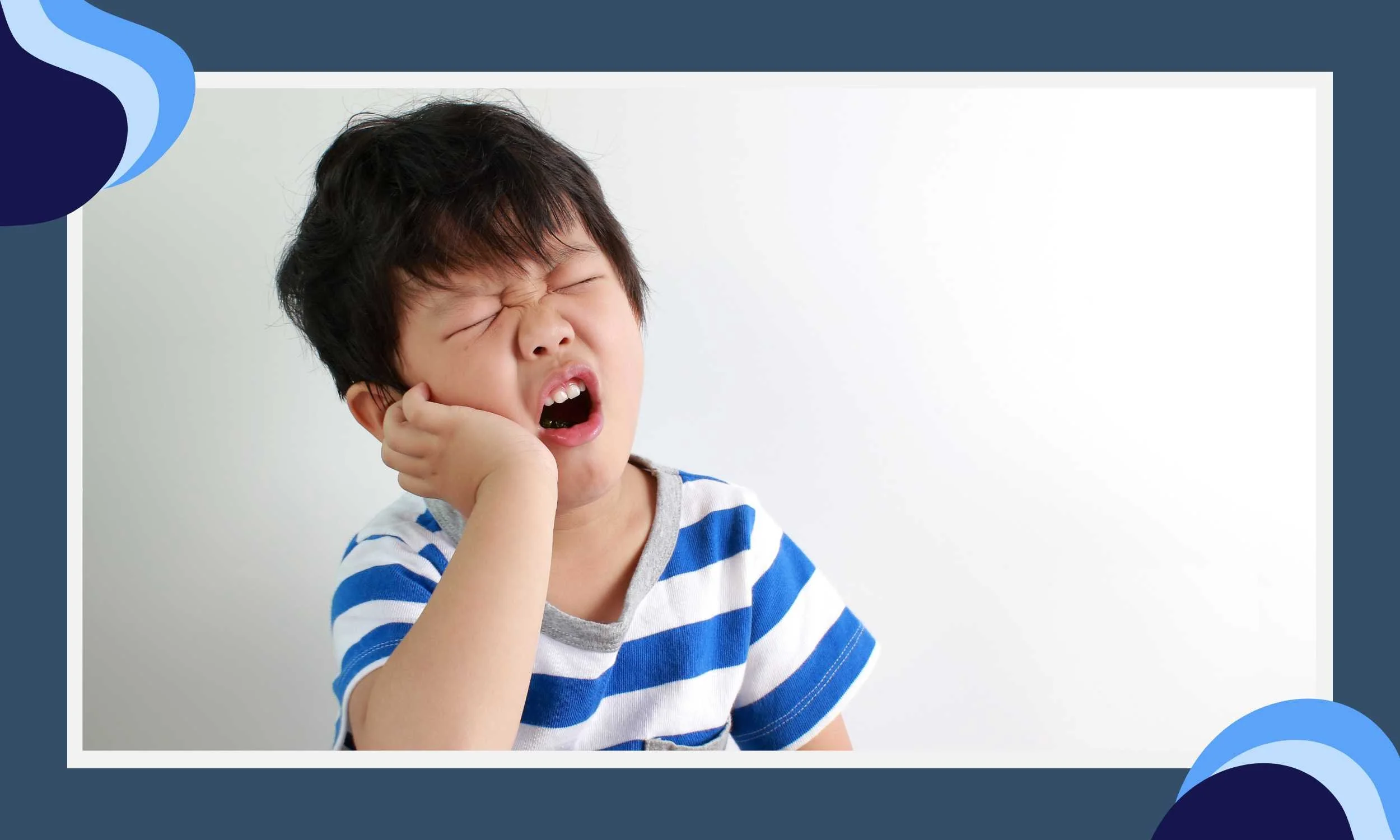
Cavities can affect more than your child’s teeth. They can influence how your child eats and the foods they feel comfortable choosing each day. When eating becomes uncomfortable, even small changes in habits can begin to take shape. Understanding this connection can help you stay aware of how oral health and nutrition are closely linked during your child’s growth.
Pain and Sensitivity That Change Eating Behavior
Tooth pain is not always obvious. Instead of saying something hurts, a child may simply begin avoiding certain foods. Biting into crunchy, cold, or sweet foods can trigger a sharp sensation, and children quickly learn to stay away from what causes discomfort.
Over time, you may notice them chewing on only one side, eating much more slowly, or leaving parts of their meal untouched. If the discomfort continues, appetite can decrease, and meals may start to feel like something they need to finish rather than something they enjoy.
Limited Food Choices
Raw fruits, vegetables, and proteins like meat all require chewing effort that your child will naturally start to avoid if it hurts. Softer options fill the gap instead, such as bread, pasta, and crackers.
These are easier to eat, but they do not offer the same nutritional range, and they tend to be higher in refined carbohydrates, which can actually accelerate further decay.
Changes in Mealtime Habits
Cavities can affect more than the foods your child chooses. They can gradually change the overall experience of eating for both your child and your family. You may begin to notice meals taking longer, increased fussiness at the table, or your child leaving much of their food uneaten. Some children may even start skipping meals.
Long-Term Effects on Eating Patterns
Children are still forming their relationship with food, and habits developed during a period of discomfort can continue even after the pain fades.
If a child spends an extended period avoiding crunchy textures or certain food groups, those preferences can become part of their routine. Reintroducing variety into the diet often takes time and patience. For this reason, it is recommended to address cavities early, including those that affect baby teeth.
Read also: Why Prevention is the Best Way to Protect Your Child's Teeth
Protecting Your Child's Oral Health and Nutrition
Oral health and what your child eats are closely connected. Changes in eating habits can sometimes be linked to underlying dental discomfort, even when it is not immediately obvious. If you have noticed shifts in your child's appetite, increased sensitivity to certain foods, or hesitation during meals, it may be best to have their teeth checked.
Contact Pelican Pediatric Dentistry in Lafayette or New Iberia today to schedule your child’s visit. Our team provides gentle, thorough dental care in a supportive environment. We serve families in Lafayette, New Iberia, Breaux Bridge, Carencro, Scott, Crowley, and the greater Acadiana area.