
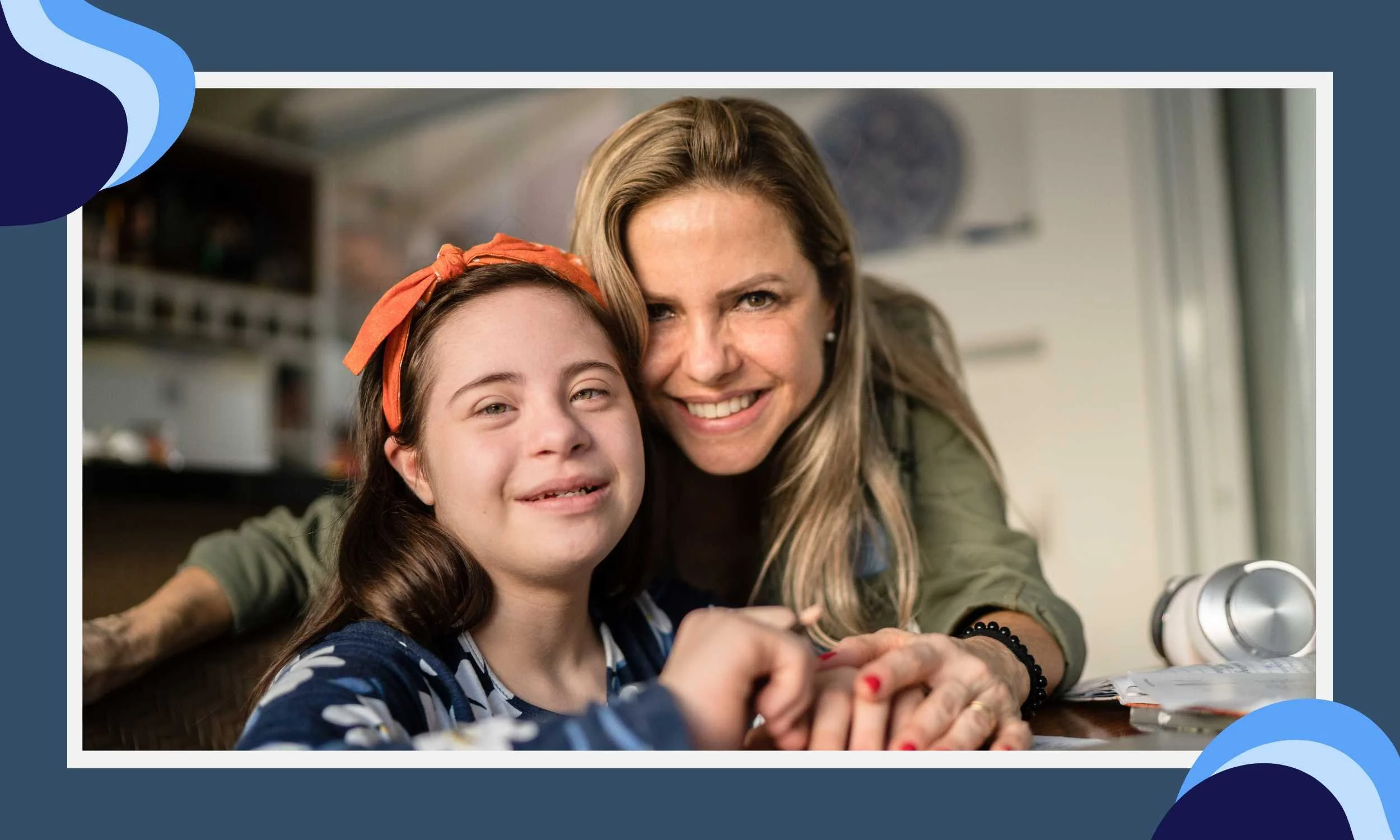
Oral hygiene is a foundational part of overall health, especially for children with special needs. Consistent brushing and flossing are important because certain medications, dietary patterns, and medical conditions can increase the risk of cavities and other dental issues.
At the same time, building daily habits may require a different approach. Sensory sensitivities, difficulty with transitions, and motor challenges can make the typical “two minutes, twice a day” routine harder to establish. What seems simple for one child may feel overwhelming for another.
This post outlines strategies for preparing the space, selecting the right toothbrushes and flossing aids, building tolerance, and partnering with your dental team so your child has the best chance at maintaining a healthy mouth.
Preparing the Environment
Before a brushing routine can take hold, begin with the environment. For children who are sensitive to sensory input, a loud bathroom with bright overhead lights and unpredictable sounds can add stress before the toothbrush even gets near their mouth.
Begin by choosing the calmest space available. If harsh lighting is a trigger, dim the lights. Turn off the TV, radio, or anything else competing for attention. If your child responds better to a specific background sound, like white noise or soft music, use it consistently so it becomes a familiar part of the routine.
Once the space feels manageable, move on to positioning. Some children prefer standing at the sink, while others are more at ease sitting on a low stool or lying with their head in your lap. You can also talk with your pediatric dentist about positions that provide your child with a sense of security while giving you enough access to their mouth.
Even with the environment and positioning in place, the toothbrush itself may still feel unfamiliar. Let your child hold it before using it. Allow them to touch the bristles, handle it, and run it under water. This low-pressure exposure builds familiarity.
Selecting Oral Care Tools
Children with special needs often have very specific preferences and aversions, so it’s important to work with those rather than against them. Choosing the right tools starts with paying attention to what your child tolerates and what they avoid.
Toothbrush Options
Soft-bristle brushes are the standard recommendation for most children, but there are several variations to consider. Electric toothbrushes can reduce the amount of manual effort needed, which can be useful for children with limited fine motor control. At the same time, some children find the vibration uncomfortable.
For children who prefer a simpler feel, manual brushes with wider, thicker handles are often easier to grip and control. If a standard handle is still difficult to manage, adaptive options such as rubber grips or foam tubing added to the handle can improve comfort and stability.
Toothpaste Choices
Toothpaste can also affect how well your child tolerates brushing. Many children with sensory sensitivities struggle with the strong mint flavor found in some toothpastes. In these cases, mild fruit-flavored options designed for children are often a better starting point.
You may also find that using a very small amount of toothpaste is easier at first. Some children begin with a dry toothbrush and gradually accept toothpaste over time as they become more familiar with the routine.
Flossing Alternatives
Flossing can present its own challenges. Traditional string floss requires coordination and can feel uncomfortable around the gums, which may be difficult for many children to tolerate.
Floss picks simplify the process and often feel less overwhelming to use. Water flossers are another option for children who are comfortable with water-based stimulation. For others, the sensation may be too intense. As you try different options, observe which ones your child accepts with the least resistance.
Read also: Flossing for Kids: When to Start and How to Do It Right
Building Tolerance in Small, Gradual Steps
Having the right tools is important, but they are only effective if your child is ready to tolerate using them. That readiness often develops gradually. Moving too quickly into a full brushing routine can create resistance that takes longer to work through.
Start with what your child can tolerate without distress, even if that is simply holding the toothbrush near their mouth for a few seconds. From there, break the process into smaller steps.
Begin with touching the lips, then the outside of the front teeth, followed by the inside surfaces and the back molars. Each step can be introduced and practiced separately over time before combining them into a complete routine.
As tolerance improves, you can slowly increase both the duration and the complexity. A visual timer can be useful during this stage. It gives your child a clear sense of how much time remains and reinforces that the activity has a defined end point, which can ease some of the uncertainty.
Using Positive Reinforcement
As you build tolerance, consistent reinforcement helps maintain participation. Recognize small efforts and progress, even at early stages, to keep the routine moving forward.
At the same time, limit pressure and avoid negative language, even during more difficult moments.
For children who respond to structured incentives, a reward chart using stickers or tokens can add motivation. The specific reward should match what your child finds motivating. For one child, it may be extra screen time. For another, it may be choosing a bedtime story.
Adding Visual and Social Supports to the Routine
Motivation is important, and reducing the cognitive load of the routine can make it easier for your child to follow. Many children with special needs process visual information more easily than verbal instruction. A simple step-by-step chart placed at eye level in the bathroom can guide the routine and reduce the need for repeated reminders. Each step, shown with pictures, gives your child a reference they can follow more independently.
Modeling can also strengthen understanding. Brushing your own teeth alongside your child, involving a sibling, or using videos of other children completing the routine provides an example of what to expect. Seeing the process before being asked to do it can lower hesitation and increase familiarity.
Involving Your Dental Team Early and Consistently
These strategies are most effective when paired with professional guidance. A pediatric dentist who has experience working with children with special needs can adjust both techniques and the structure of appointments.
Before your child’s first visit, share specific details about their needs with the dental office. This allows the team to prepare and plan the appointment in a way that better suits your child.
Ongoing visits, even if they are brief, help your child become more familiar with the environment, including the sounds, smells, and staff. Over time, this familiarity can make more involved appointments easier to navigate.
What to Keep in Mind When Progress Feels Slow
Even with the right environment, tools, reinforcement, and professional guidance in place, progress is rarely linear. There may be periods where things seem to move backward, and routines that worked for months may stop working when something else in your child’s life changes. This does not mean the approach has failed.
Over time, consistency is what moves the routine forward, and that consistency does not require perfection. A partial brush is still progress. If your child tolerates thirty seconds today after struggling through the process last week, that is still forward movement, even if it feels small.
Keeping expectations flexible, recognizing incremental progress, and adjusting your approach when something stops working can help maintain the routine. Rather than pushing through resistance, small changes often allow the process to continue during more difficult periods.
Our pediatric dental offices in Lafayette and New Iberia specialize in caring for children with special needs. We serve families throughout the greater Acadiana area, including Lafayette, Scott, Carencro, New Iberia, and Crowley. If you are looking for a dental home that understands your child’s needs, give us a call to schedule an appointment.